Blessing
Foreign travelers are curious about Taiwanese temple culture, but unfamiliar rituals can make it hard to approach.
Blessing turns temple visits into a personalized reflective journey, helping travelers explore and participate with confidence.
Tested with 10 participants, the experience achieved a SUS score of 81.36.
- Responsibilities
- UX Research · Interaction Design
- Team
- 3 Designers
- Timeline
- Oct–Dec 2021
Discover.
Travel can be exciting, but being in a new cultural environment can also make it difficult to slow down and meaningfully connect with a place.
Our Solution.
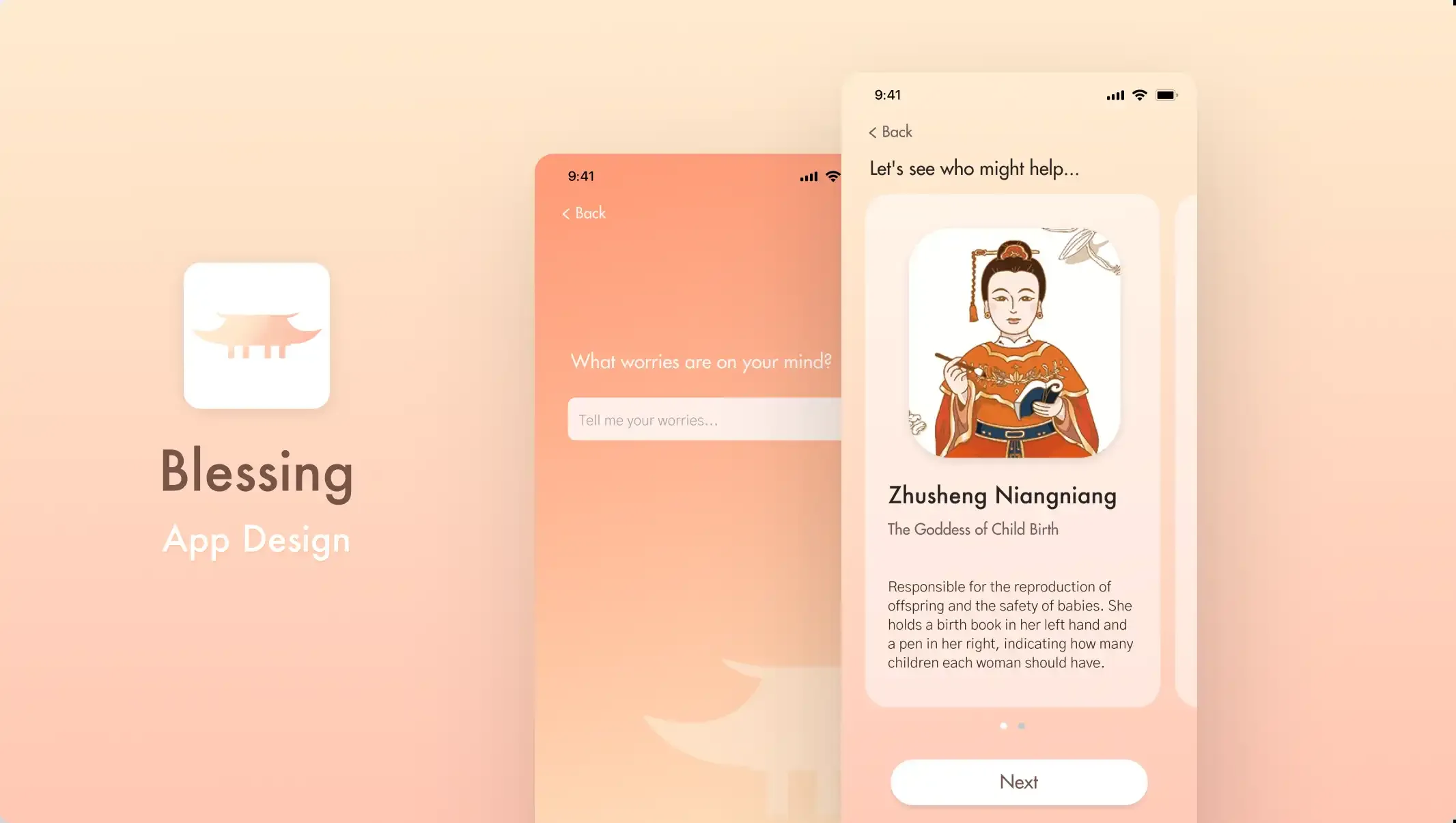
We turned this concept into Blessing, a guided travel experience that combines Taiwanese temple culture with personal reflection.
Design Process.
Opportunity
Survey/ Interview
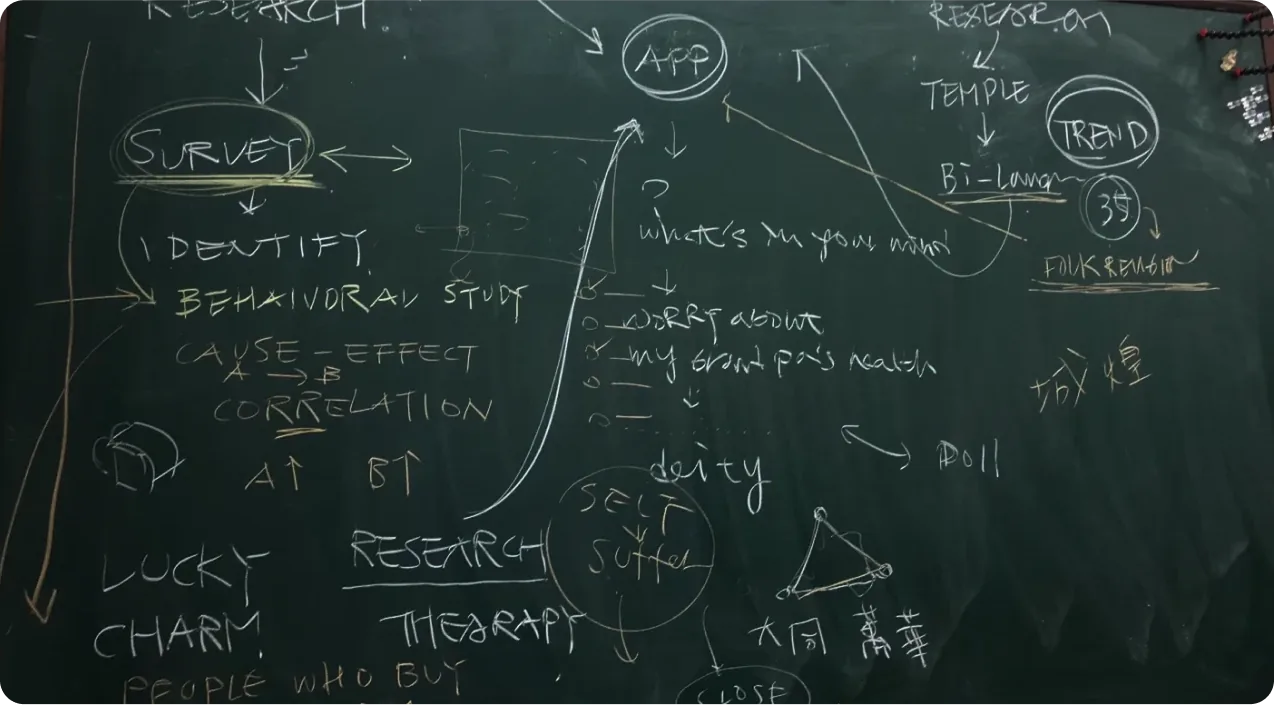
Behavioral Research
Target
Prototype
Usability Testing
Why Temples?
Temples Favored by Foreign Tourists
We have observed that in addition to natural landscapes and sightseeing spots, religious venues are also popular among foreign tourists. In 2017, Longshan Temple in Monga was ranked as one of the top ten most popular tourist attractions and was considered an impressive special attraction. In 2019, the number of tourists visiting religious sites in Taiwan increased by 60% compared to the previous year.
Main Sightseeing Spots, 2017
| # | Spots | Number (K) |
|---|---|---|
| 1 | Night market | 8.20 |
| 2 | Taipei 101 | 5.30 |
| 3 | Jiufen | 3.75 |
| 4 | National Palace Museum | 3.57 |
| 5 | Ximending | 3.56 |
| 6 | Chiang Kai-shek Memorial Hall | 3.53 |
| 7 | Sun Moon Lake | 2.27 |
| 8 | Tamsui | 2.24 |
| 9 | Longshan Temple | 2.04 |
| 10 | Yehliu | 1.87 |
Most Impressive Items, 2017
| # | Items | Number (K) |
|---|---|---|
| 1 | Snacks | 5.50 |
| 2 | Human touch | 4.34 |
| 3 | Night market | 3.70 |
| 4 | Coastal Scene | 2.66 |
| 5 | Historical Monuments | 1.23 |
| 6 | Fruits | 1.00 |
| 7 | Local Specialties | 0.86 |
| 8 | Convenience stores | 0.85 |
| 9 | Temple | 0.72 |
| 10 | City of Nights | 0.54 |
A total of 7,320 travelers were surveyed, and the responses may include duplicates. Source: Tourism Bureau, Ministry of Transportation and Communications
Opportunity.
Temples offer something conventional sightseeing often doesn’t: a combination of cultural discovery, ritual participation and moments of reflection.
User Research.
What We Wanted to Learn
We collected 21 survey responses and conducted 8 in-depth interviews with foreign visitors to understand three key questions:
- What draws them to Taiwanese temple culture?
- What prevents them from engaging more deeply?
- What guidance would help them feel more confident during a visit?
Cultural Curiosity

“Curious about visiting this place. You can’t find this kind of architecture in Europe.” — Interviewee A |From Spain

“Some temples feature an interesting combination of Chinese and Thai architectural styles, but the reason behind this fusion remains unknown to me.” — Interviewee D |From Thailand

“I am curious about the structure of the temple. For example, I wonder why there are three main gates.” — Interviewee C |From Spain
Ritual Uncertainty
“I wanted to attend the event but didn’t understand the process and felt like I was interrupting others.” — Interviewee B|From Honduras
“I didn’t understand why we were holding the incense. I wanted to ask for instructions, but I wasn’t sure how.” — Interviewee E |From Indonesia
What We Learned
Cultural curiosity outweighed religious differences
80% of survey respondents expressed curiosity about different religions and local customs.
Visitors wanted context, not just sightseeing
Participants wanted to understand the architecture, history, and symbolism behind temples.
Interest was high, but confidence was low
Unfamiliar rituals made visitors hesitant to participate for fear of doing something incorrectly.
What We Observed in the Field
We observed foreign visitors at Longshan Temple to understand how they navigated the space and participated in rituals. While many showed curiosity, unfamiliar customs often created hesitation during the visit.
Visitors often skipped important ritual stops
Some entered the temple without recognizing the main altar or recommended worship sequence.
Visitors hesitated during unfamiliar rituals
Some picked up incense but were unsure how or when to use it.
Cultural meaning was easily missed
Visitors purchased charms and participated in activities without fully understanding the rituals behind them.
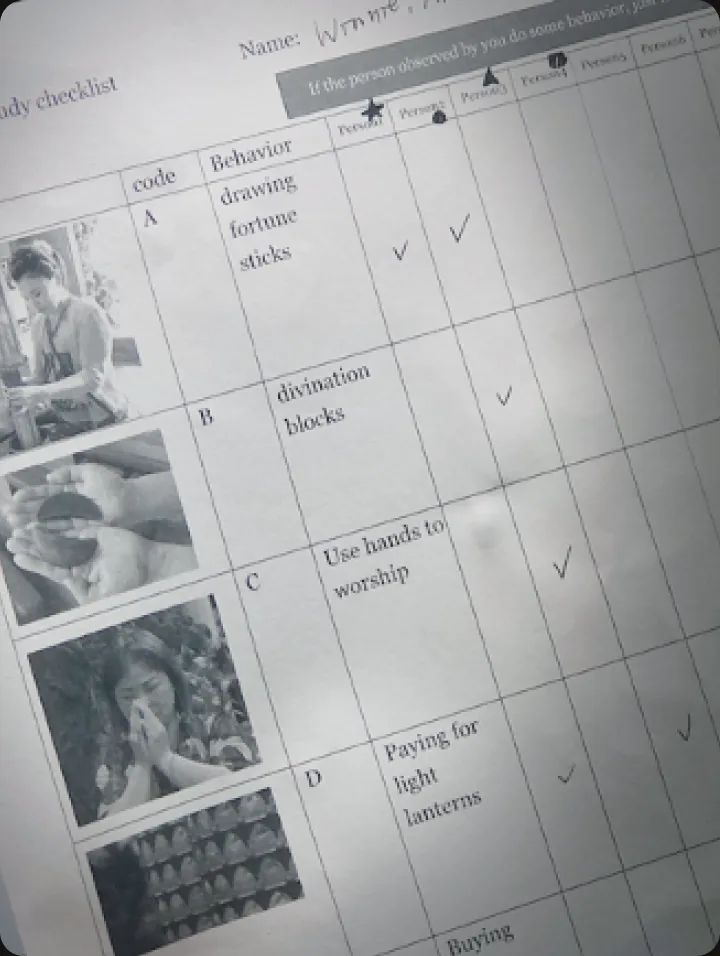
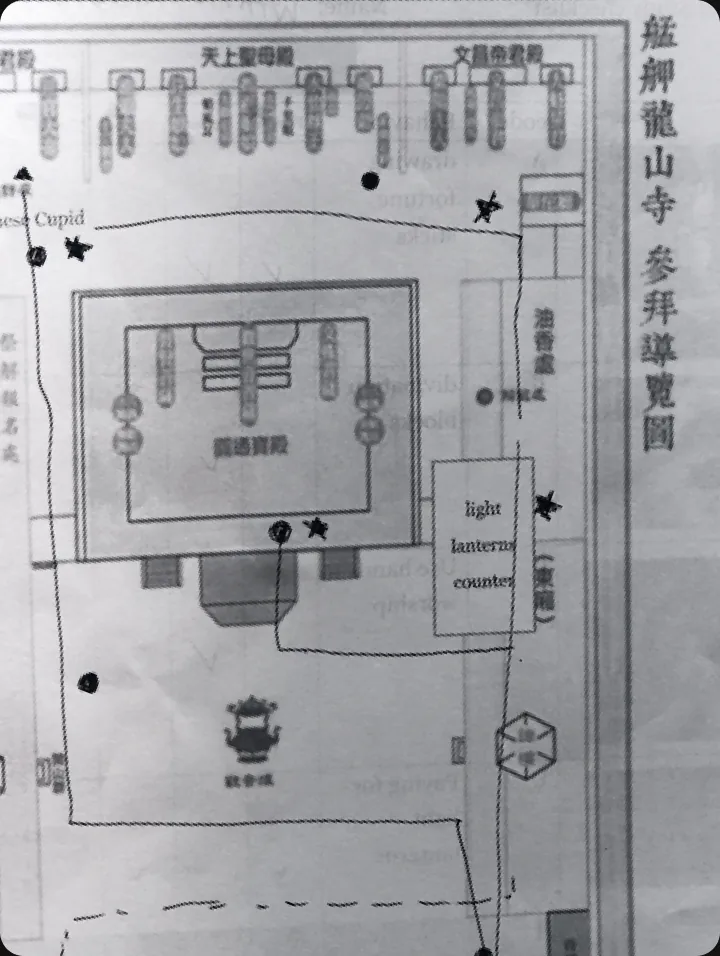
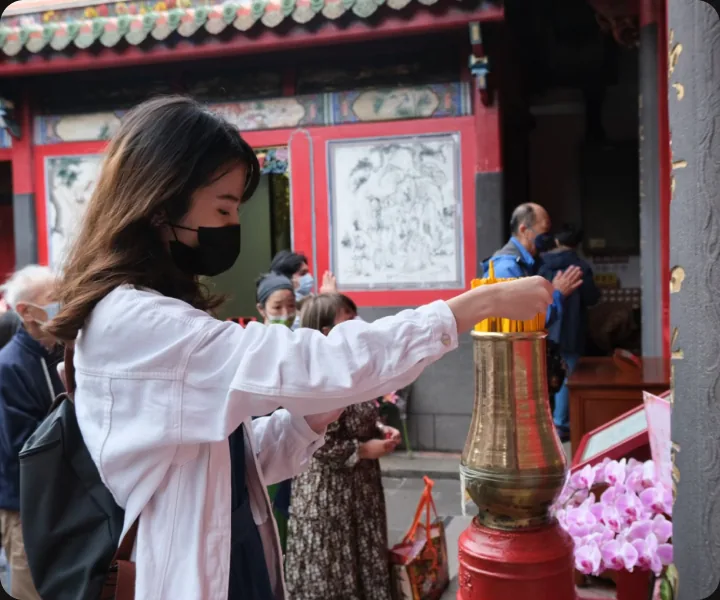
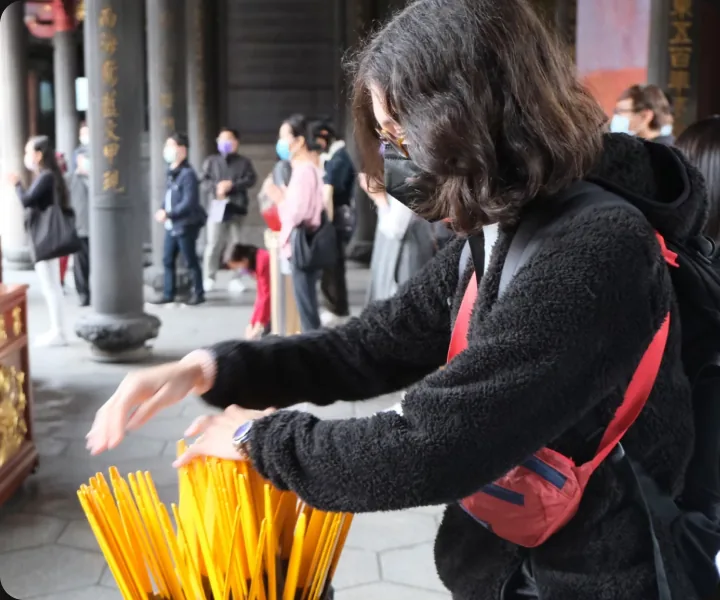
Foreign tourists often seek fortune sticks, but they may hesitate during the process.
From Insights to Design.
Visitors hesitated during unfamiliar rituals
Make rituals approachableVisitors lacked cultural context
Provide cultural contextVisitors were curious but unsure where to start
Make exploration personal
Designing the Journey.
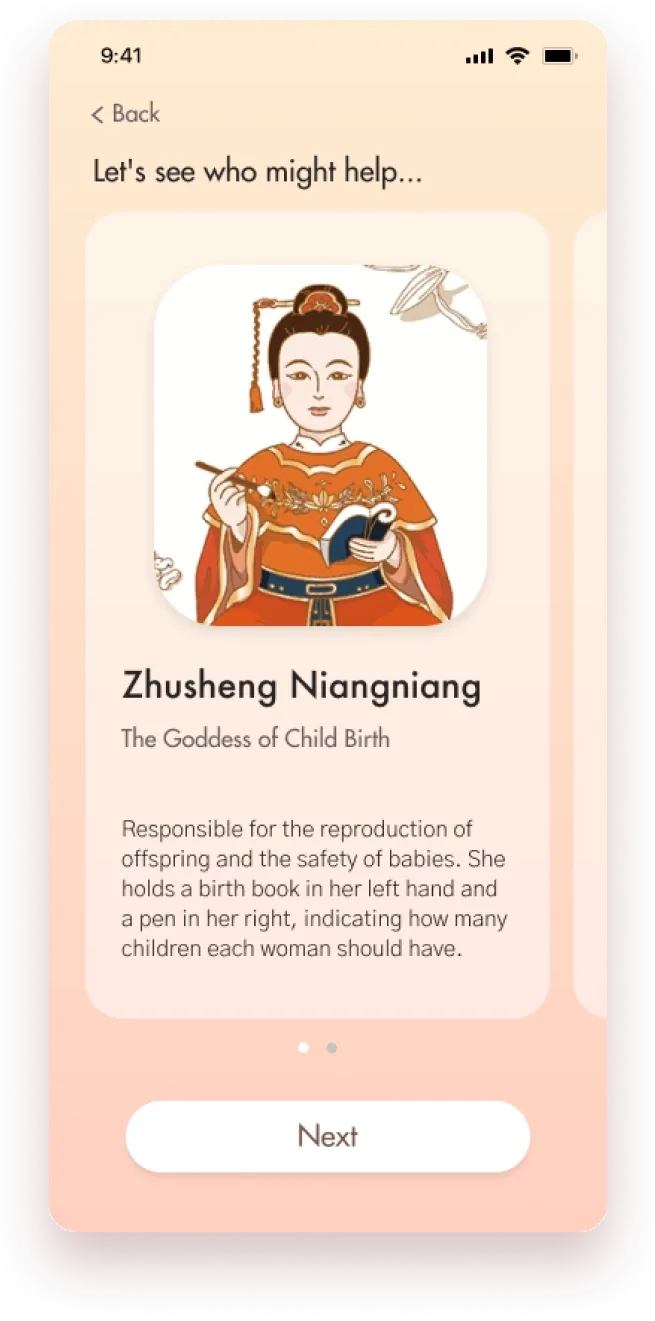
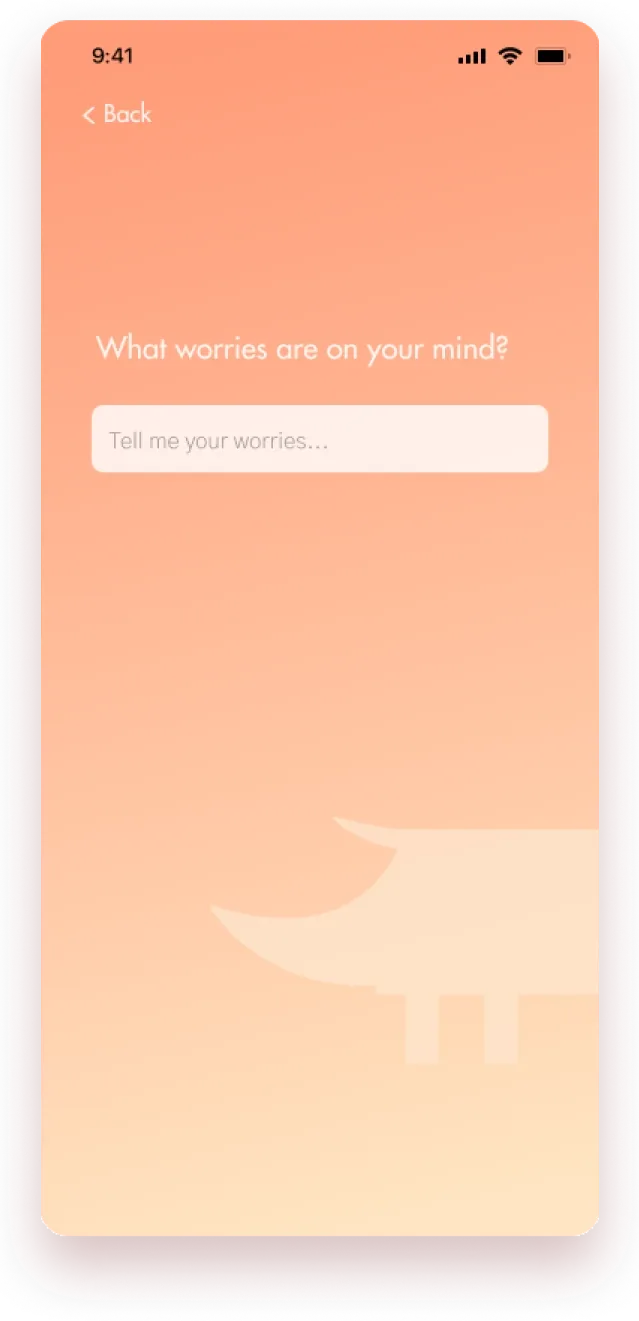
Start With What’s on Your Mind

To connect personal reflection with cultural exploration, travelers begin by sharing what’s on their mind. Blessing then matches their concern with a relevant deity and journey.

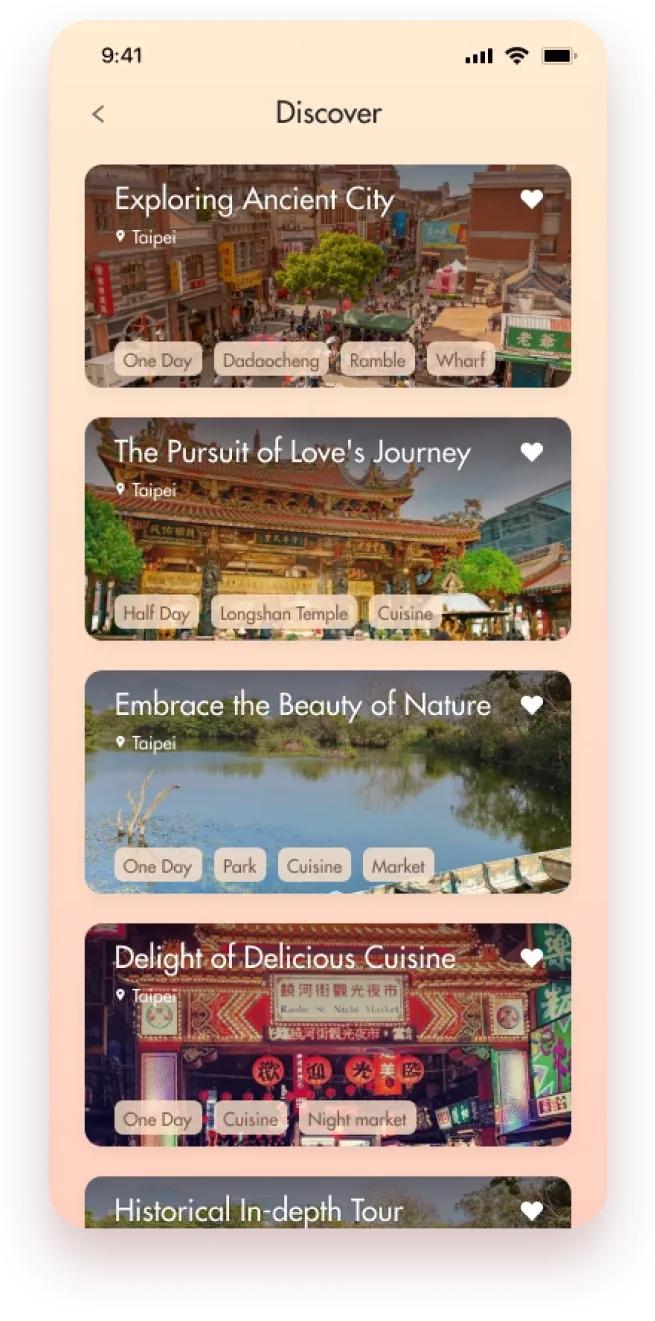
Receive a Personalized Journey

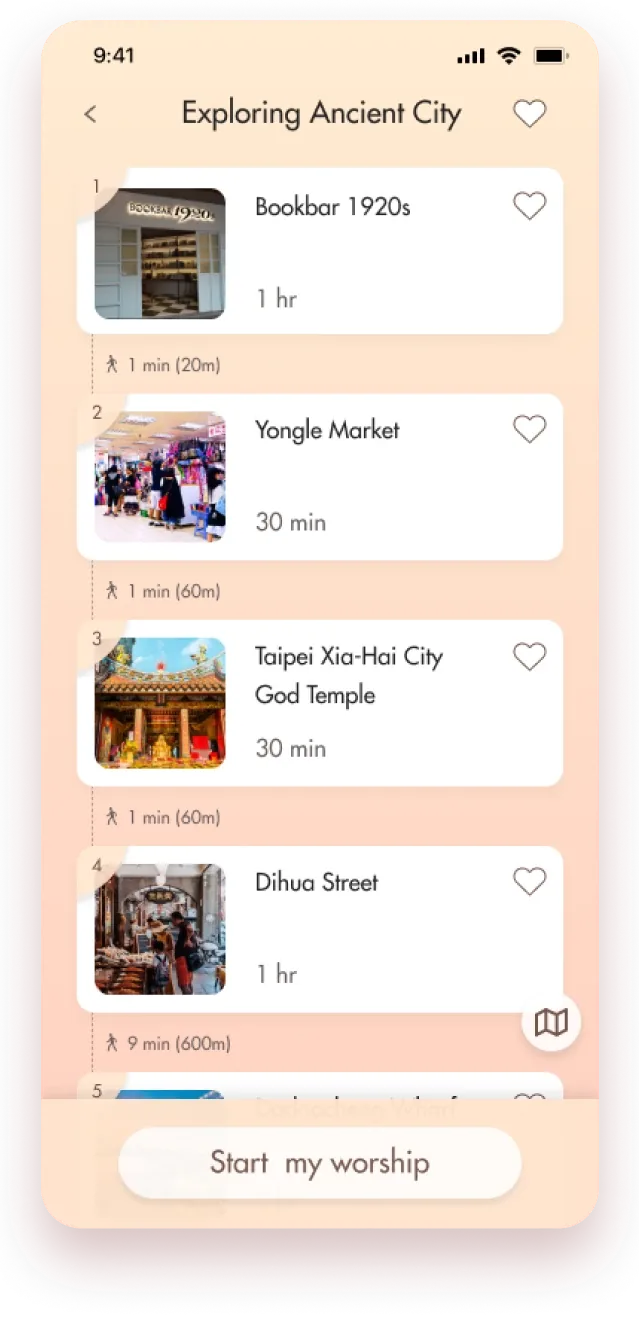


Blessing turns the user's concern into a curated route combining temples, nearby attractions, and moments for reflection.
Understand the Culture Along the Way
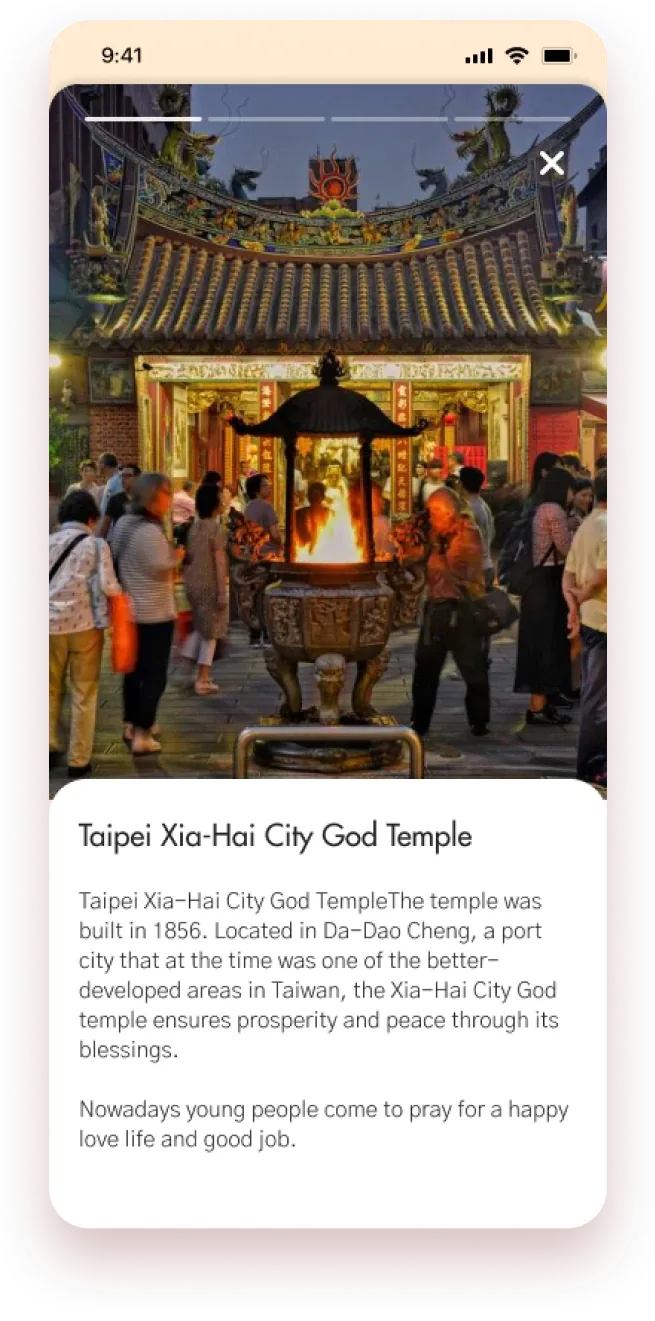
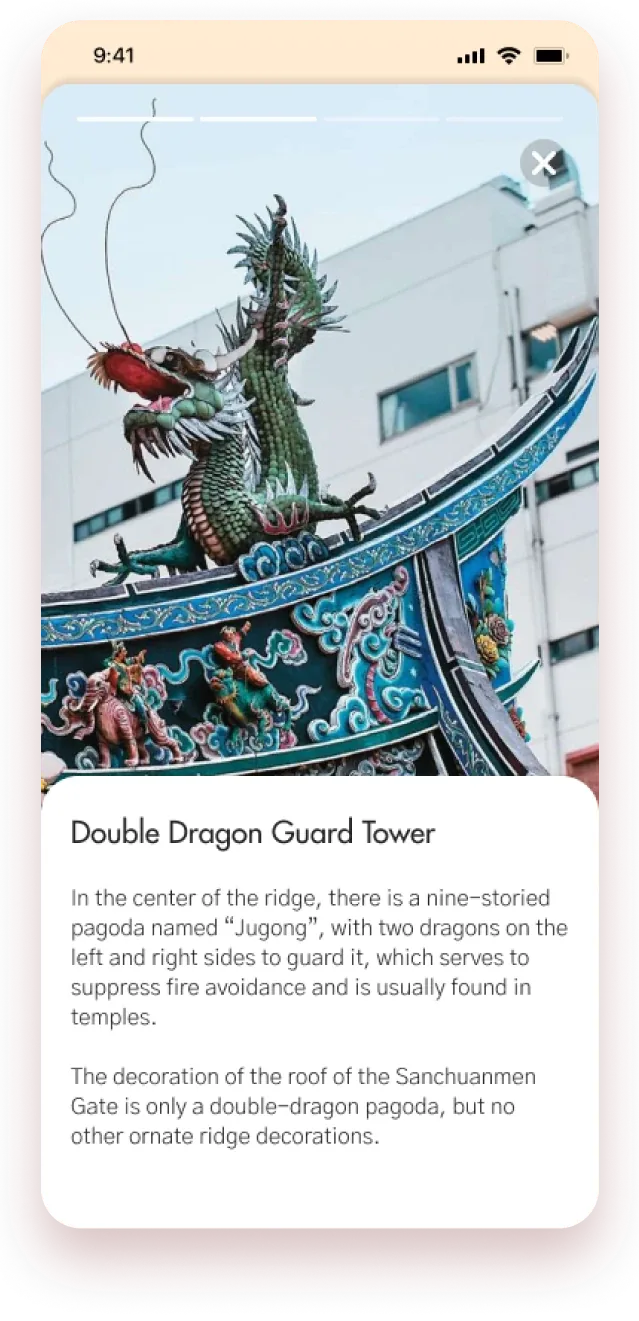
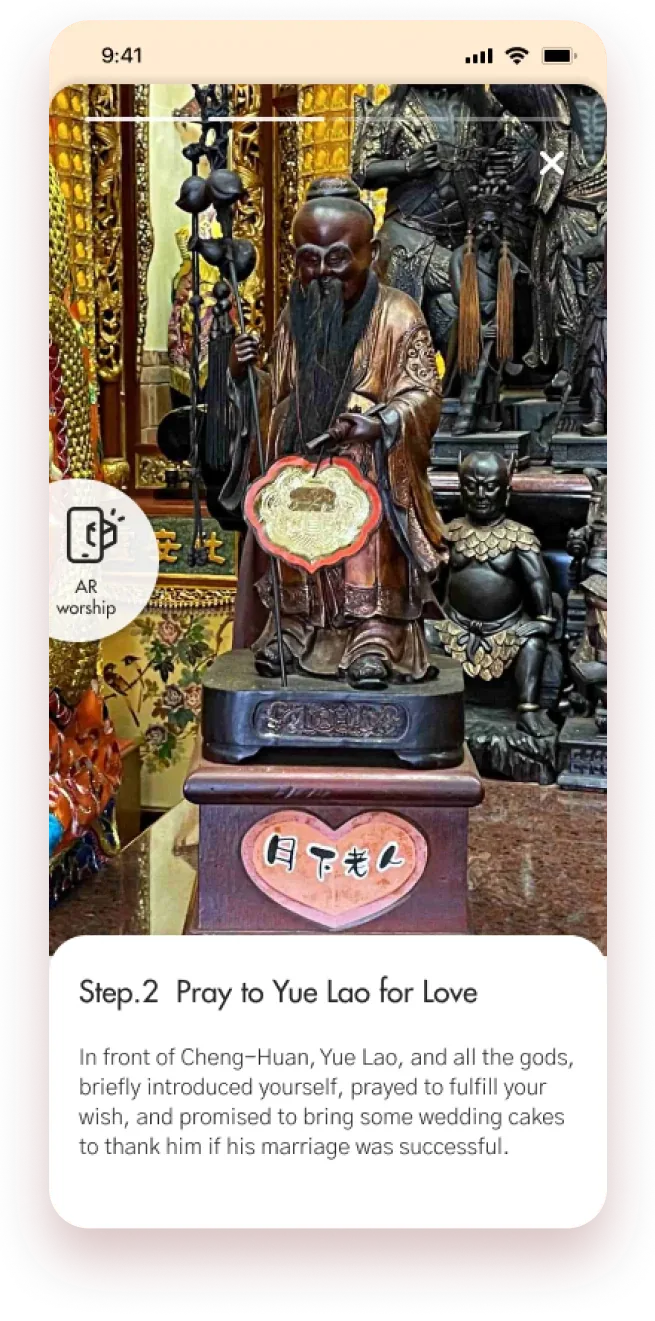
Contextual stories explain the history, architecture, and symbolism behind each temple before visitors participate.
Participate With Confidence
Step-by-step guidance and AR navigation help visitors understand and complete worship rituals with greater confidence.
Visual Direction
A warm, restrained visual system supports the calm and reflective tone of the experience.
- #262323
- #695F5F
- #75554A
- #FFECD2 │ #FF9370
- #FF9B7A
- #FFD0C0
- #FFECD2
User Testing.
System Usability Scale
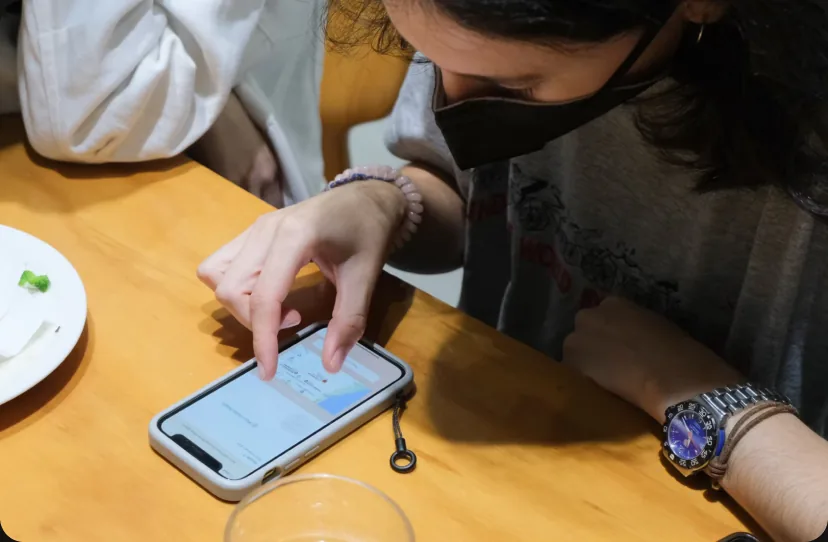
We tested the prototype with 10 participants—4 in person and 6 remotely—to evaluate whether users could understand the core journey and complete key tasks independently.
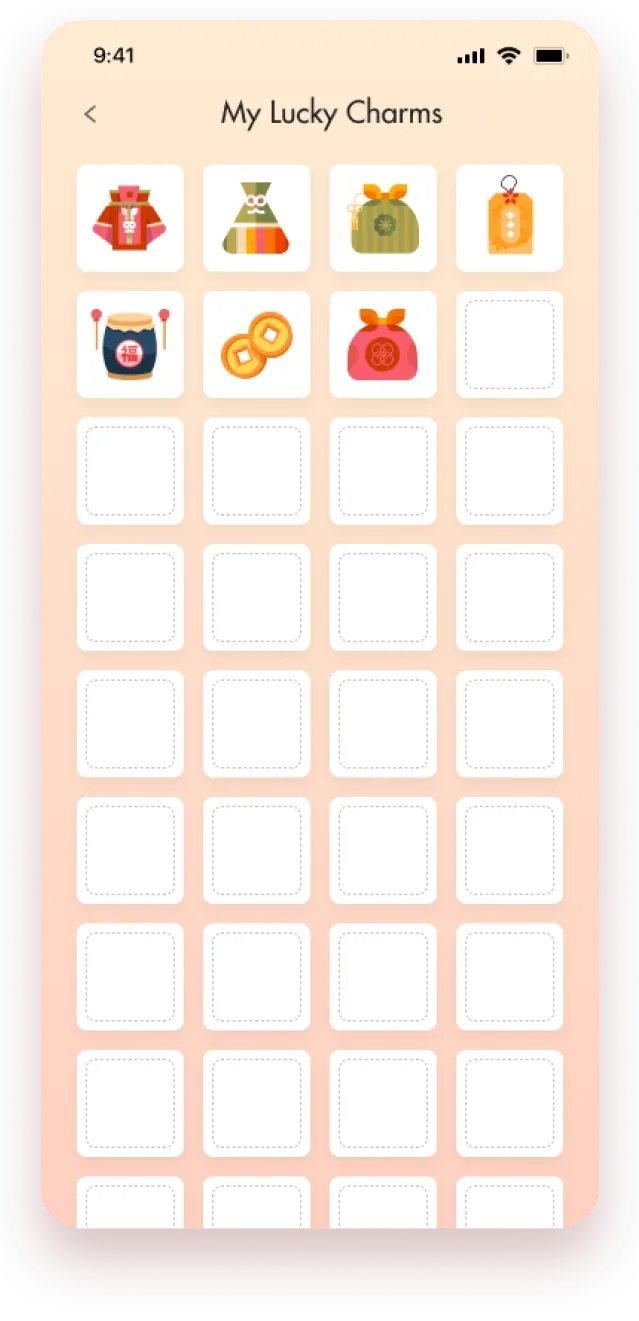
Share worries and receive recommended itineraries. Start and complete the trip. View the collected blessings.
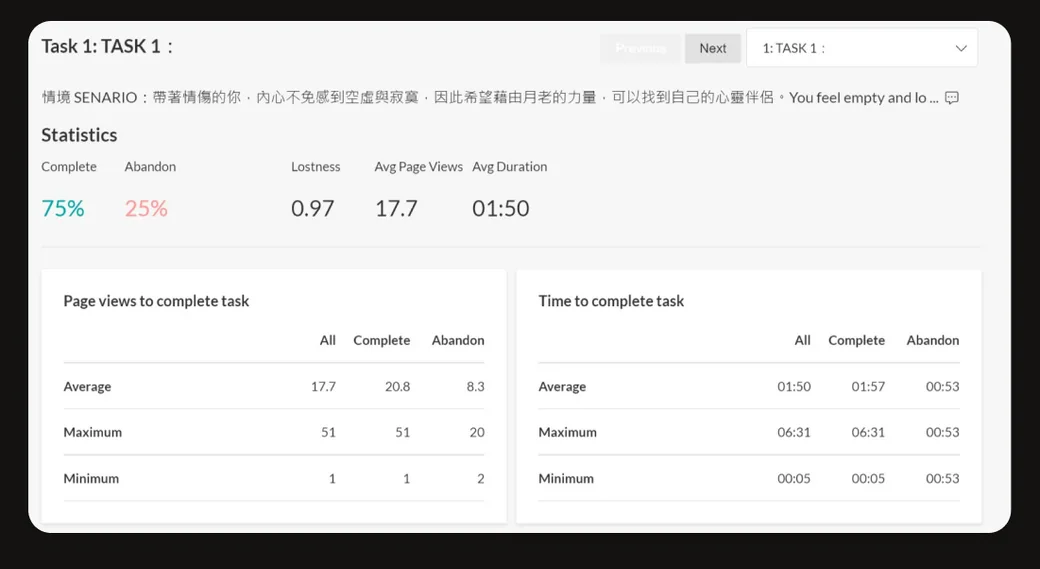
Findings and Feedback
The prototype achieved a SUS score of 81.36, indicating strong overall usability. Participants also reported that the experience helped them better understand Taiwanese temple culture and increased their interest in visiting temples.
Takeaways.
Validate the Problem Before Falling in Love With the Concept
We began with the idea of combining travel with emotional reflection, but research revealed a stronger need: foreign visitors lacked the confidence and cultural context to participate in temple rituals. If revisiting the project, I would validate the connection between emotional needs and personalized journeys earlier, allowing research to shape the core value proposition sooner.